

Super User
ASIMUTH – Applied Simulations and Integrated Modelling for the Understanding of Toxic and Harmful Algal Blooms

The recent use of satellites has been used to track surface algal blooms. This has resulted in the production of some services that purport to be Harmful Algal Bloom (HAB) nowcasts and forecasts. Understanding this phenomenon requires a more complex approach. Thus, ASIMUTH aimed to develop forecasting capabilities to warn of impending harmful algal blooms.
The steps to achieve this included a series of scientific and technical objectives that enabled the modelling of physical – biological interactions leading to the forecasting of toxin events, fish mortalities or ecological disruption from harmful algal blooms. The project demonstrated that the physical, chemical and biological drivers, available through the GMES Marine core services and ongoing monitoring, can be used in a risk analysis/forecasting product to enable more successful mitigation of potential negative impacts.
ASIMUTH went on to win the European Space Agency Copernicus Masters Award for Best Service Challenge in 2013. Click here for more.
MABFUEL – Marine Algae as Biomass for Biofuels
The main aim of this project was to investigate the feasibility of using algae (both micro and macro) as a feedstock for producing biofuels in Turkey and Ireland.
The project investigated the process of extracting algal-oil and conversion to biofuels which is similar to that for land-based crops (including hexane extraction, supercritical CO2, organic solvents and/or pyrolysis). The difficulties in efficient bio-fuel production from algae lie not only in the extraction process but in finding a species with a high lipid/carbohydrate content and fast growth rate, and a cost-effective cultivation system (for micro-algae) that is best suited to that species. Therefore, the project investigated the most suitable extraction procedures and the oil yields of native seaweed species and cultured micro-algae species from both Ireland and Turkey.
BIFF - Bivalves from Farm To Fork
Scallop aquaculture is constrained by the annual inconsistency in the quantity and quality of the wild seed supply. Differences in the quality and condition of the subsequent fully grown scallops provide processors with a raw material very different from other food materials used in modern processing industries.
With the increased demands for shellfish products due to their healthy image, improvements in food technology and product development are required. This project integrated multi-disciplinary resources from bivalve hatchery production and on-growing to seafood processing by considering a “total food chain” approach on all research, training and technology transfer levels. The objective of the project was to develop an economically viable and environmentally sustainable genetic breeding programme for scallops in order to produce seed in a hatchery to supplement the inconsistent wild seed supply. The project also optimised ongrowing, harvesting (effects of size of animal and seasonal harvesting) and processing (effects of different handling, storage and packaging) of the shellfish.
EcoFish – Environmentally Friendly Fish Farming and use of Cleaner Fish

The objective of the project was to minimise the environmental impact of salmonid and gadoid aquaculture using hatchery produced cleaner fish to remove parasitic sea lice thereby reducing the use of therapeutic treatments.
As well as having an environmental benefit, the use of wrasse should allay concerns from increasingly knowledgeable consumers and retailers who demand that the food they eat should be produced sustainably and without unnecessary treatments. Indeed, these concerns have led to a rapid increase in demand for organically produced food. By removing the need to use chemicals to remove lice, the project brought benefits to the farmers, via reduced losses due to sea lice related problems, but also allowed them to exploit the lucrative organic market and give their products a marketing advantage. The project delivered the methods and technology to produce cleaner fish for use by the cod and salmon farming industry in all the partner countries. The physical outcome of the project was a substantial number of wrasse for field application for proving the technique on fish farms in partner countries. Dedicated wrasse production hatcheries were established in Ireland, Norway and in Scotland where they developed successful rearing techniques and production methods through close collaboration and exchange of information amongst the partners, their associates, the aquaculture industry, governments and regulators./p>
Julie Maguire Ph.D.
Role: Research Director and Manager
Dr Julie Maguire, research director of BMRS, has substantial project management experience.
Dr Maguire has co-ordinated and participated in numerous EC FP 4,5,6,7 projects. Dr Maguire acts as an expert advisor on several environmental matters and sits as a Vice Chair of Horizon 2020 (Marie Curie). Dr Maguire was awarded the Copernicus Masters Award from the European Space Agency for “Best service for European citizens”. Dr Maguire has successfully managed the research station since 2005 and is now driving the business to its new commercialisation goals. Dr Maguire is extensively published in peer reviewed and technical papers.
David O’Neill MA., M.Sc., MBA
Role: Director
David O’Neill MA., M.Sc., MBA, has worked in aquaculture and fishery activities since 1991.
Worked in development finance with the Commonwealth Development Corporation, Managed Business division. Experienced in Shrimp, Tilapia, Salmon and shellfish farming in Central America, Africa Asia and Europe. Degrees in Science from TCD and UCC and an MBA from TCD and has completed further studies at the TUCK School of Business in Dartmouth, New Hampshire, USA.
Julie Maguire Ph.D.
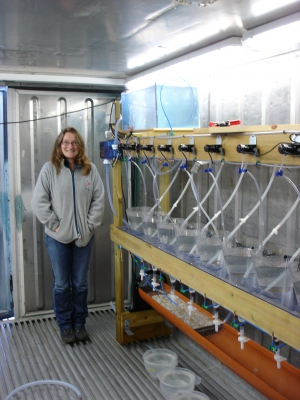
Role: Research Director
Dr Julie Maguire, research director of BMRS, has substantial project management experience.
Dr Maguire has co-ordinated and participated in numerous EC FP 4,5,6,7 projects. Dr Maguire acts as an expert advisor on several environmental matters and sits as a Vice Chair of Horizon 2020 (Marie Curie). Dr Maguire was awarded the Copernicus Masters Award from the European Space Agency for “Best service for European citizens”. Dr Maguire has successfully managed the research station since 2005 and is now driving the business to its new commercialisation goals. Dr Maguire is extensively published in peer reviewed and technical papers.
Bantry Marine Research Station
Bantry Marine Research Station Ltd (BMRS) is a privately owned marine biotechnology company focused on delivery of marine bio-based products and processes. BMRS was incorporated in 2016 following a restructuring of Daithi O’Murchu Marine Research Station Ltd, prior to that it was operated by University College Cork’s Aquaculture and Fisheries Development Centre. The facility has demonstrated its research and project delivery capability over two decades.
BMRS strategic intent is to become a leader in marine bio resource delivery.
BMRS holds an aquaculture research licence a HPRA animal experimentation licence and seaweed farming licence, it operates a purpose-built research facility and aquaculture vessel. Infrastructure includes micro and macro algal laboratories, marine shellfish and fish hatchery, challenge trial units and dry laboratory facilities. It is ideally located on the shores of Bantry bay in the south west of Ireland.
Research and Production
BMRS undertakings have grown steadily and includes consultancy, pilot trials, co-ordination and participation in EU and National research projects.
The 2012 publication “Harnessing our Ocean Wealth – An Integrated Plan for Ireland” highlights the importance of research and development to support sustainable economic growth and job creation through the development of new products and services; facilitate better management and protection of marine ecosystems; and inform policy, governance and regulation of the marine sector.
Research Activities
Research activities
Macro algae production and analysis
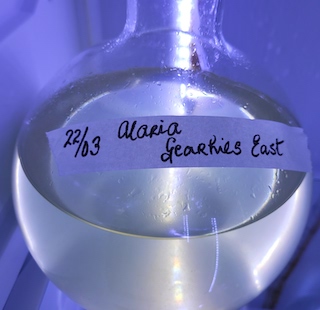 BMRS is involved in several macroalgae research projects. Macroalgae research is focused on the extraction and quantification of high-value bioactive compounds and applications.
Seaweed conversion to bio-products
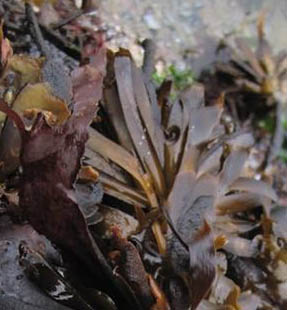 BMRS is using seaweed derived biopolymers to develop plastic products (shrinkable and stretchable films, adhesives, plastic additives and coatings).
Seaweed bioactive extraction
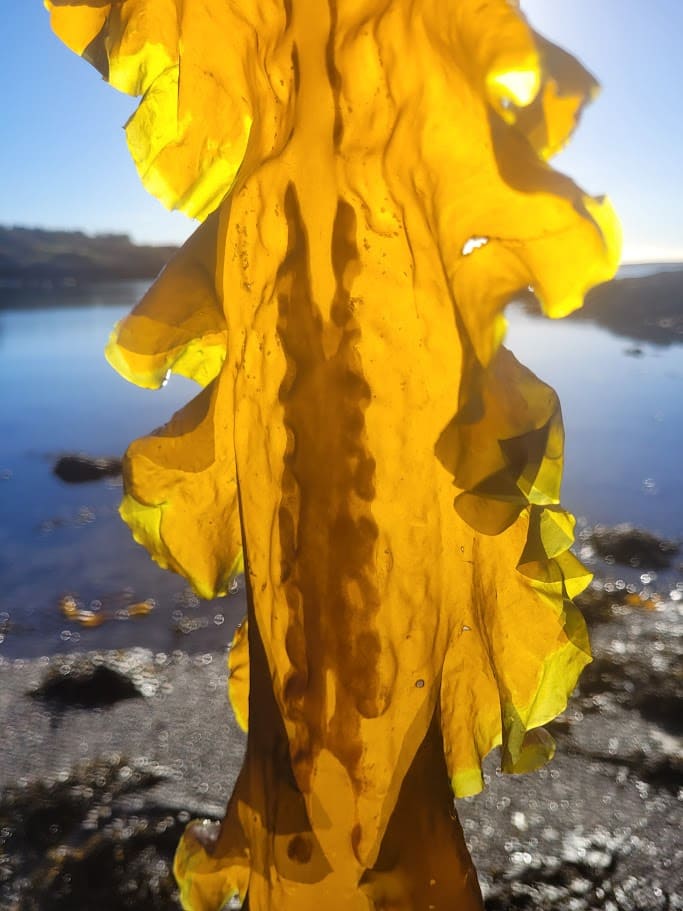
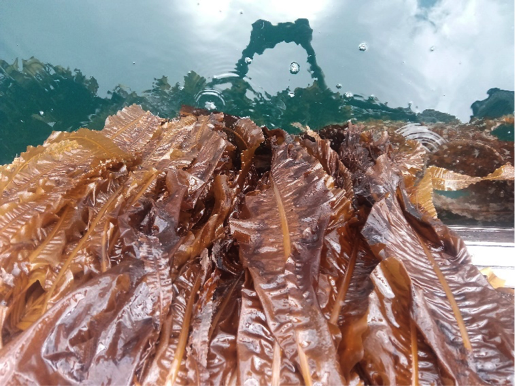 Figure 1: Alaria esculentaBMRS is cultivating a brown macroalgae, Alaria esculenta, more commonly known as bladderlocks, on long-lines in Bantry Bay, Co. Cork. This species has high concentrations of valuable bioactives e.g. polyphenols, fucoidans and carotenoids. BMRS aim to carry out the structural and functional characterisation of novel macroalgal-derived phlorotannins, carotenoids (fucoxanthin) and polysaccharides (fucan) from Alaria esculenta.
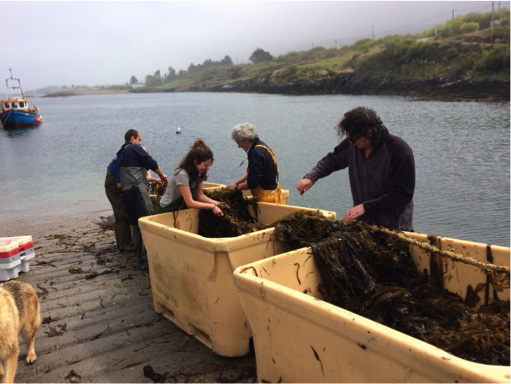 Figure 2: Seaweed harvesting on shoreBMRS will also explore the temporal evolution and drying techniques on the biosynthesis of these bio-active compounds, leading to improved extraction methods and knowledge of the best harvesting period. BMRS principal premise is that long-line macroalgal cultivation coupled with characterisation analysis will allow for the identification and quantification of these bioactive for their potential in pharmaceutical, and nutraceutical applications. In vitro antimicrobial assays will be performed targeting specific microbes important in animal health with a focus on agents that cause diseases such as sub-clinical mastitis. Antioxidant assays will also be carried out to assess the bioactives for potential use as anti-inflammatory agents.
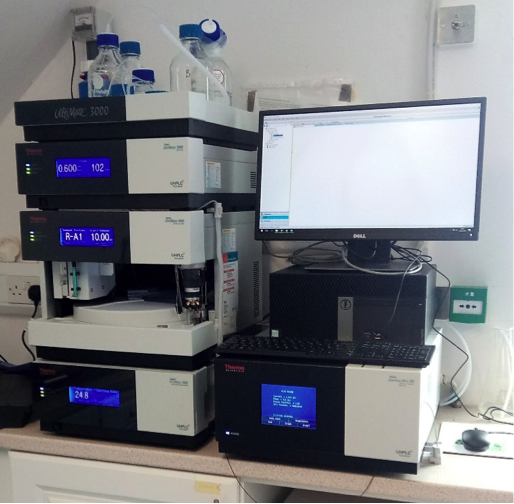 Figure 3: UHPLC for characterising compounds
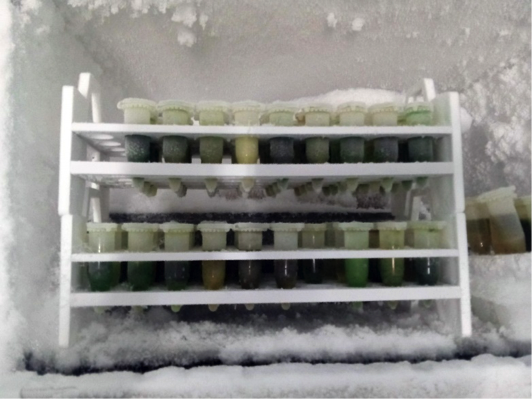 Figure 4: Fucoxanthin extractsThe three year project is funded by the European Maritime Fisheries Fund (EMFF), administered by Bord Iascaigh Mhara (BIM) on behalf of the Department of Agriculture, Food and the Marine.
Earth Observation, GIS and Oceanography
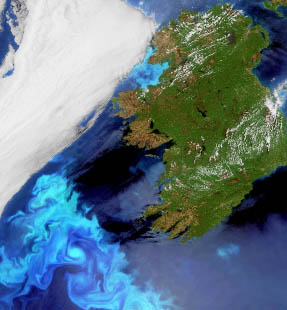 BMRS has been involved in research concerning Geographical Information Systems (GIS) and satellite data. Relevant projects include ASIMUTH, OSS2015, SAFI, C-TEP and ATLANTOS. By using a combination of Earth Observation (EO) data derived from satellites and sensors, including sea surface temperature (SST), chlorophyll concentration and salinity, along with data collected in-situ, numerous products and services can be produced. These include services such as ASIMUTH, which progressed from nowcasting Harmful Algal Blooms (HABs) to forecasting HABs. This service is particularly useful to those involved in the aquaculture industry who may suffer huge losses after the appearance of an unexpected HAB in their production area. The ability to predict the onset of a HAB means that these aquaculture farmers can take the necessary steps and precautions to protect their stock. Another service arising from EO data was produced by the SAFI project. This project used a combination of satellite data, biological data and in-situ data, including data on environmental parameters, productivity and fish stocks, in order to ascertain suitable areas for the aquaculture of various species and the development of indicators for recruitment, abundance and maturation in small pelagic fishes and bivalves.
Production Activities
Production Activities
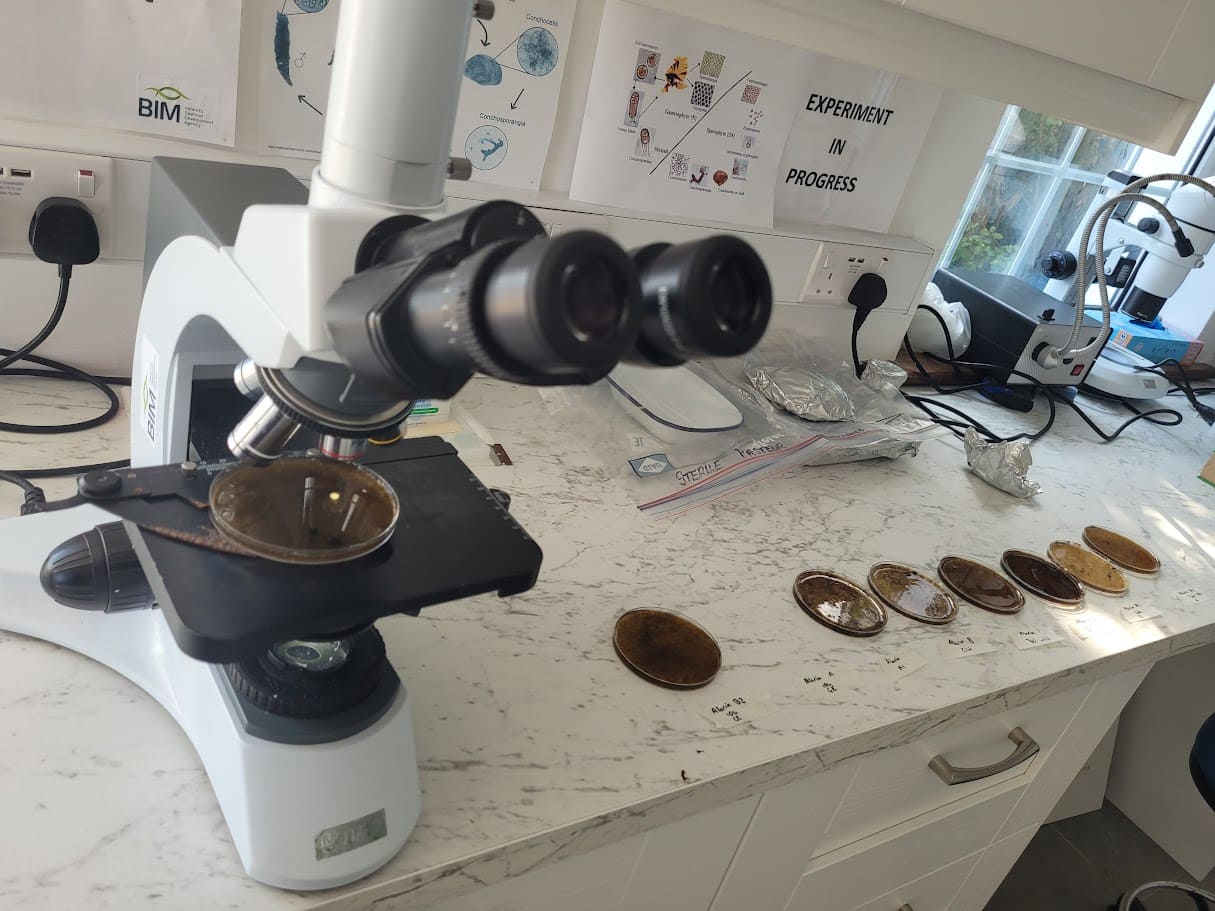
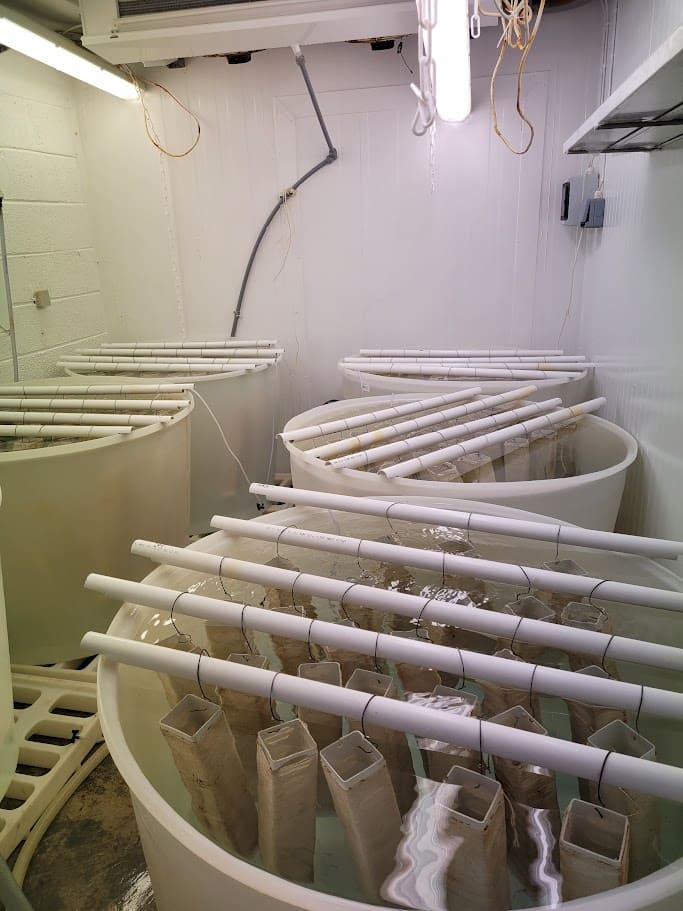
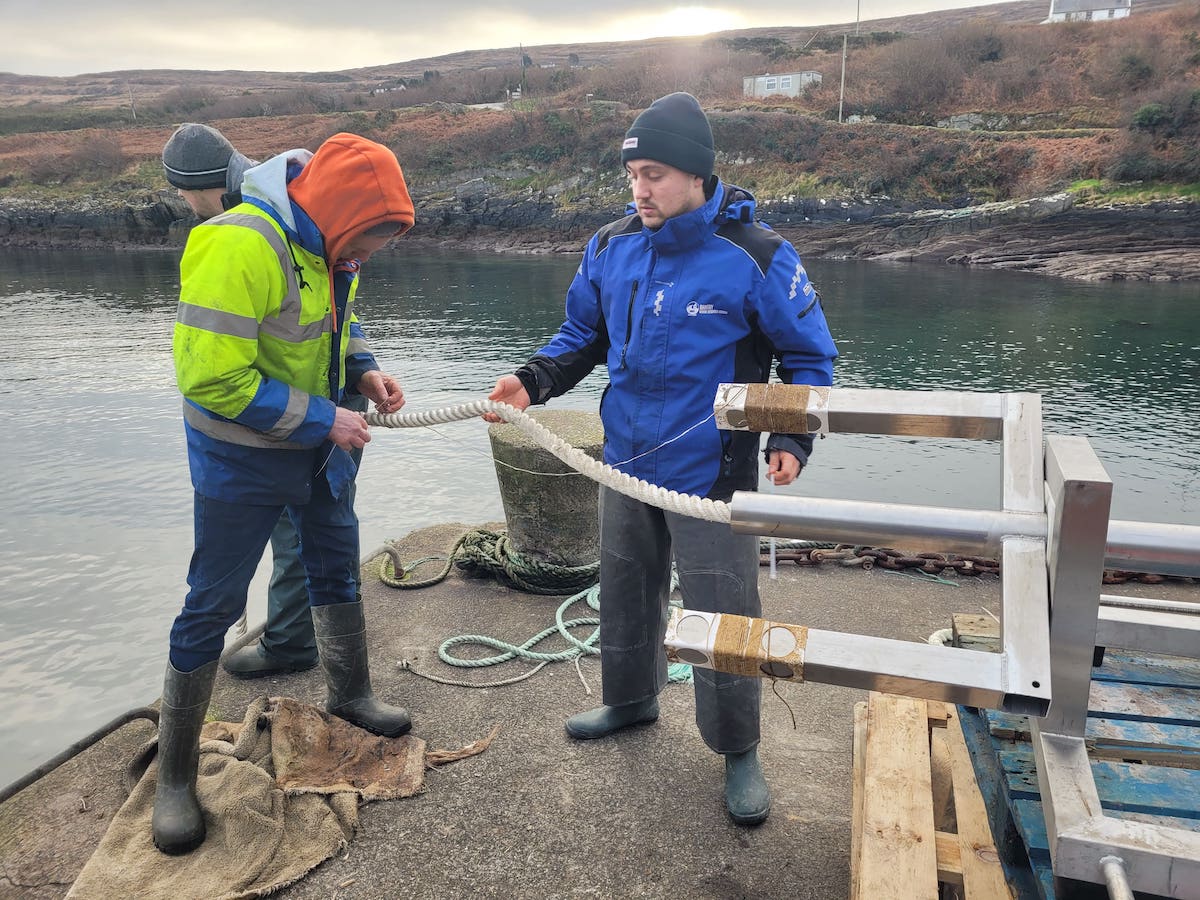
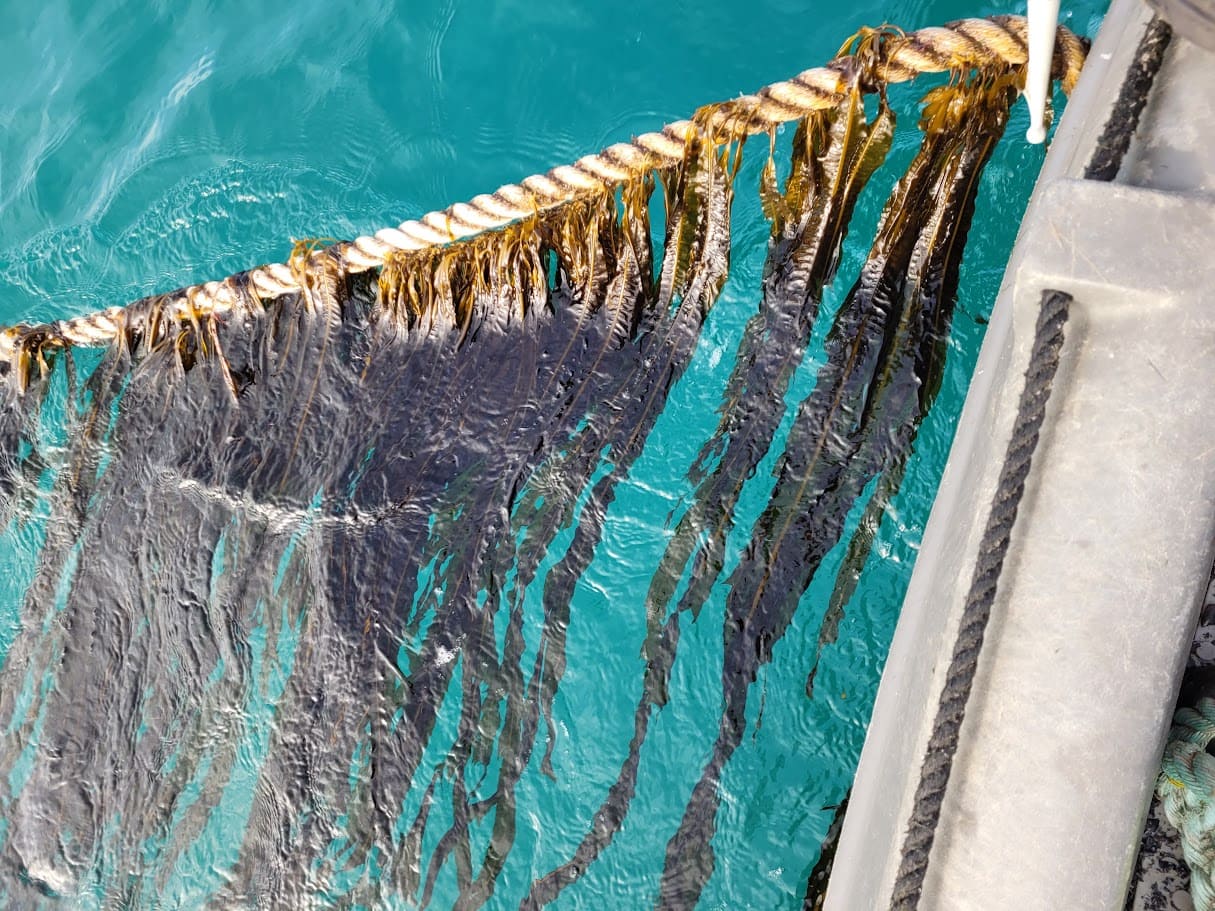
Seaweed Hatchery
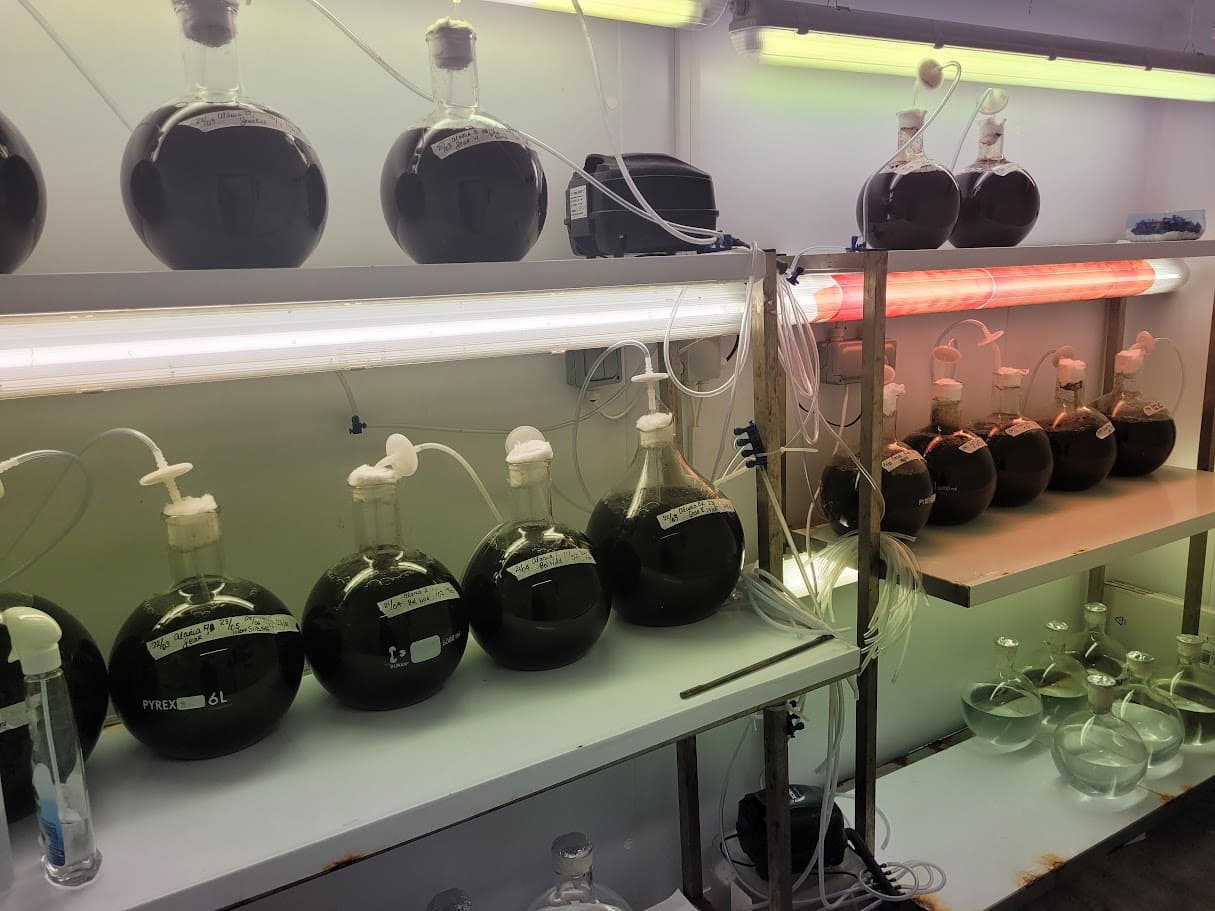
BMRS’ seaweed hatchery supplies high quality seaweed starting material for seaweed farms which help them to achieve good yields. BMRS has over 20 years of experience in breeding and propagating of several Irish seaweeds including Alaria esculenta and Saccharina lattisima.
At the BMRS seaweed hatchery we currently produce seeded strings or gametophytes for the kelps Alaria esculenta and Saccharina lattisima. If you are interested in our services, please contact us at or call us on +353 27 29181.
Stages of the Seaweed Hatchery
Fish Disease Experimental Unit
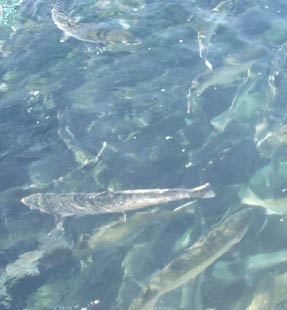 BMRS has extensive experience conducting fish disease trials on viral, bacterial and parasitic agents. BMRS has been involved in research investigating alternative treatments for amoebic gill disease (AGD) N. perurans and sea lice L. salmonis in conjunction with Bord Iascaigh Mhara (BIM) and VetAqua International.