

Super User
Methane Project
The project aims to investigate, extract and test anti-methanogenic compounds from Irish seaweeds on rumen fluid. The project will screen native Irish seaweeds and identify suitable candidates that demonstrating any anti-methanogenic properties. This will be followed by the investigation of potential cultivation techniques of the seaweed species of interest. The project will also look at initial stabilisation and conservation techniques so that the biomass maintains it anti-methanogenic potency. Finally, the project will address the applicability of the resulting seaweed product as a potential feed additive, particularly for ruminants including cattle. The product will be subjected to thorough assessments including, but not limited to, environmental impact, health and safety and techno-economic assessments.
To date, researchers at BMRS have developed a sampling protocol that must be adhered to for all seaweed sampling. A seaweed identification flipbook was also created to help researchers identify the seaweed in the field. Below is the current draft of the protocol that has been tested on four separate occasions. Amendments may be made during this early stage in order to ensure that a useful and well-thought out protocol is applied for the remainder of the project. Four sites in West Cork for collecting samples have been identified. Samples are being analysed for bromoform, total bromine and moisture content by Reading Scientific Services Ltd (RSSL) whom we were put in contact with by Dr Abraham Venter. Samples are kept in the -80C freezer awaiting freeze-drying once RSSL is ready to receive the samples.
Advise and comments from Pete Donlon (BIM), Noel Lee (Connemara Seaweed Company), and Prof. Juliet Brodie (Natural History Museum London; co-author of the “Seaweeds of Britain and Ireland” book)
Update May 2020
Newspaper Articles
Independent.ie
Red seaweed used in animal feed 'could cut methane emissions from cattle here by 60pc'
Afloat.ie
Red Seaweed Cultivation for Animal Feed Could Help Meet Government Climate Targets
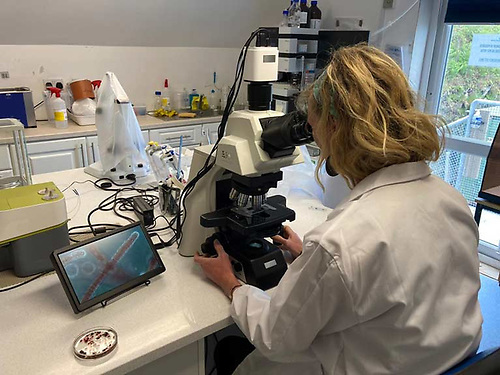 The researcher Dee McElligott checking Asparagopsis armata tetrasporohytes under the microscope.
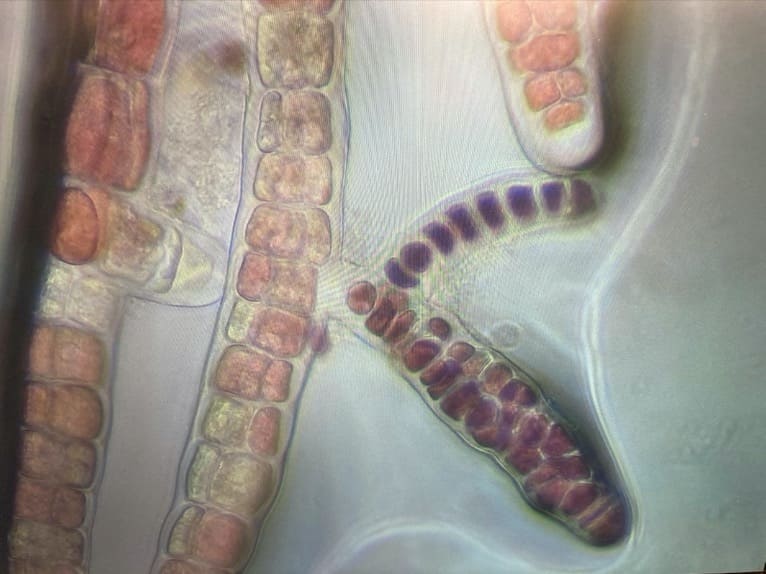 New growth from Asparagopsis armata tetrasporohyte from the cultures
Update April 2020
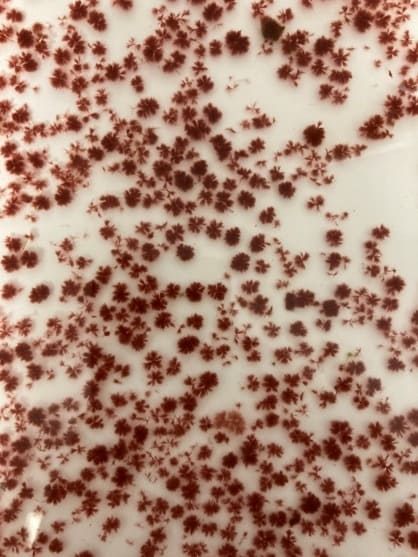
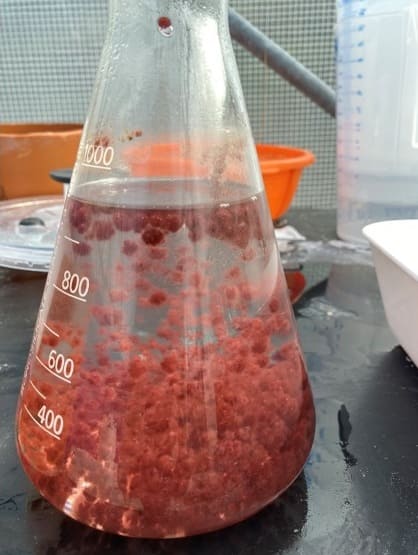
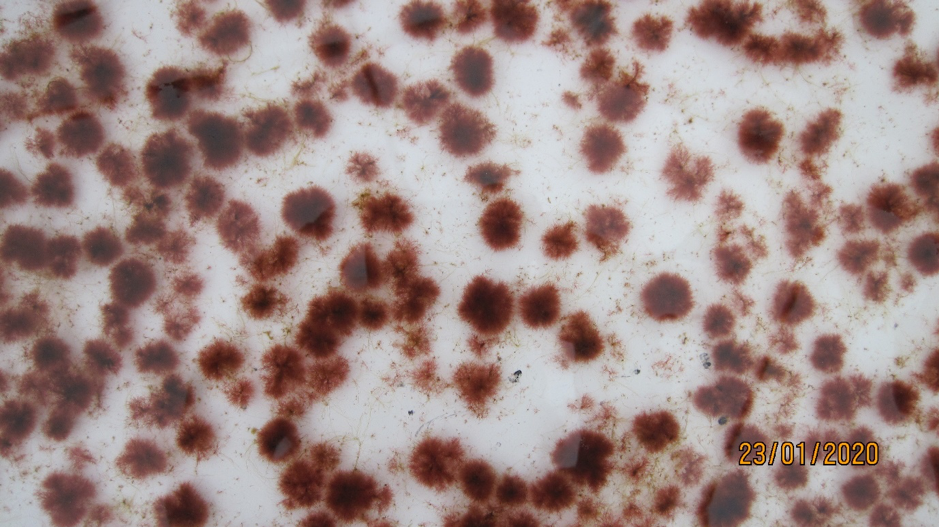
New growth pom poms from our Asparagopsis armata cultures
Update January 2020
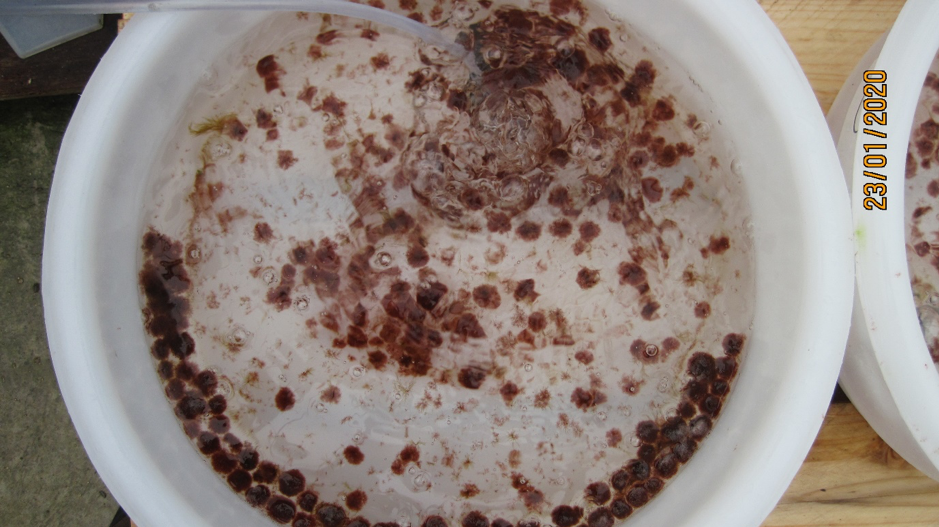
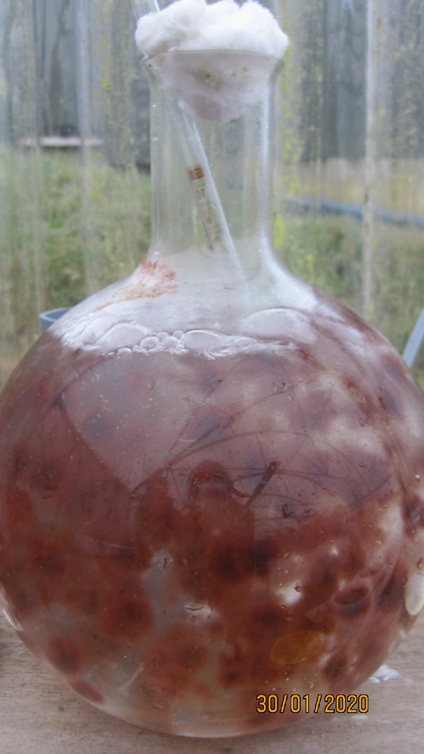
As part of the MERCS research project, we are working hard to try innovative ways of growing new species of seaweed, some of them with considerable success.
Pictures: Asparagopsis armata tetrasporophytes cultures:
Alaria Project
The aim of the project is to investigate, the structural and functional characterisation of novel macroalgal-derived phlorotannin, carotenoids (fucoxanthin) and polysaccharides (fucan) from Alaria esculenta cultivated on near-shore long-lines in Bantry Bay, Co. Cork, providing further insight into the structure and antimicrobial/antioxidant activity of the compounds. These compounds have the potential to enhance both human and animal nutrition and general well-being.
The principal premise is that long-line macroalgal cultivation coupled with characterisation analysis will allow for the identification and quantification of these bioactive for reproducible use in pharmaceutical, nutraceutical and veterinary products.
BMRS has cultivated 11 long-lines in the 2017/2018 season and has deployed the lines for the 2018/2019 season. Extraction and characterisation of fucoxanthin and phlorotannins has been carried out. Antioxidant activities of both these compounds has also been completed.
Update April 2020
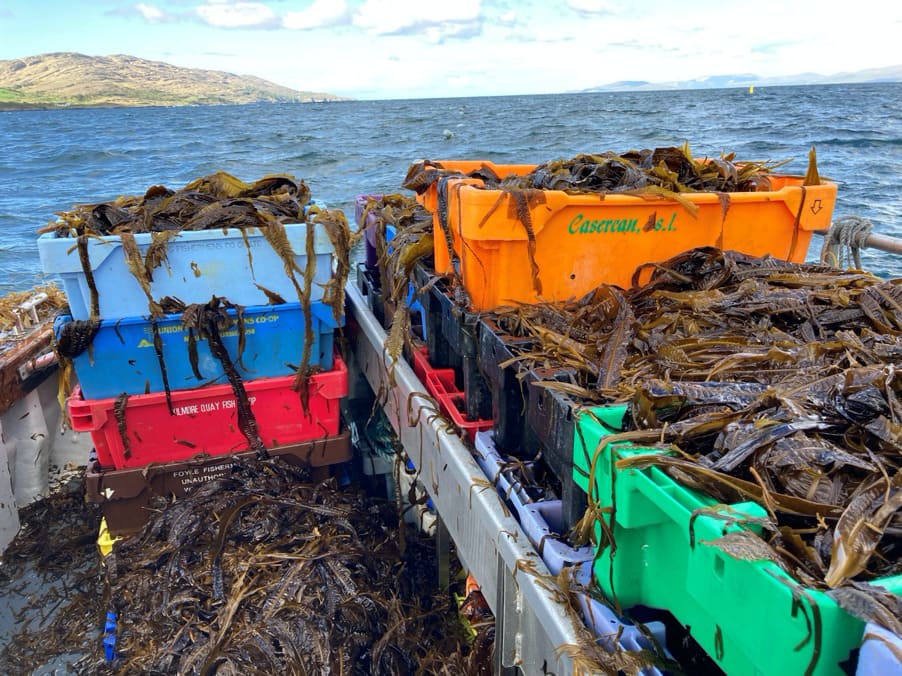 Seaweed harvesting in Bantry Bay
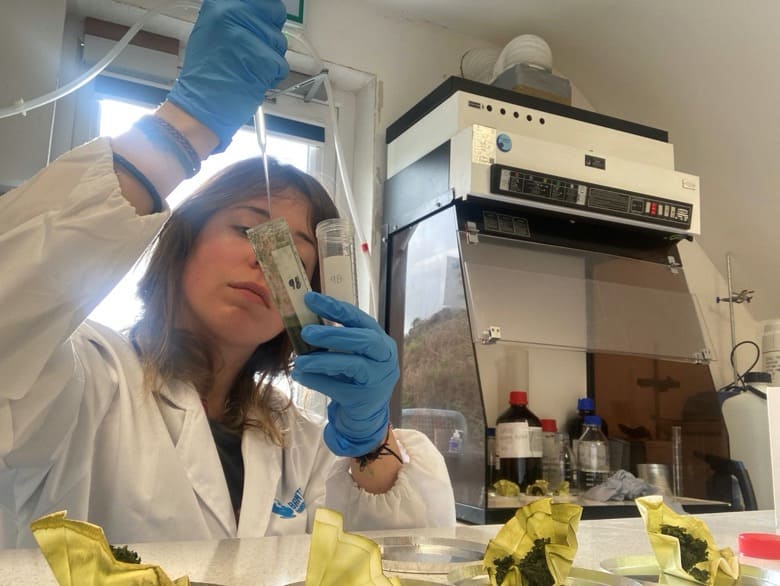 The researcher, Silvia Blanco, extracting polysaccharides from Alaria esculenta.
Update March 2020
Seaweed harvesting on March 26.
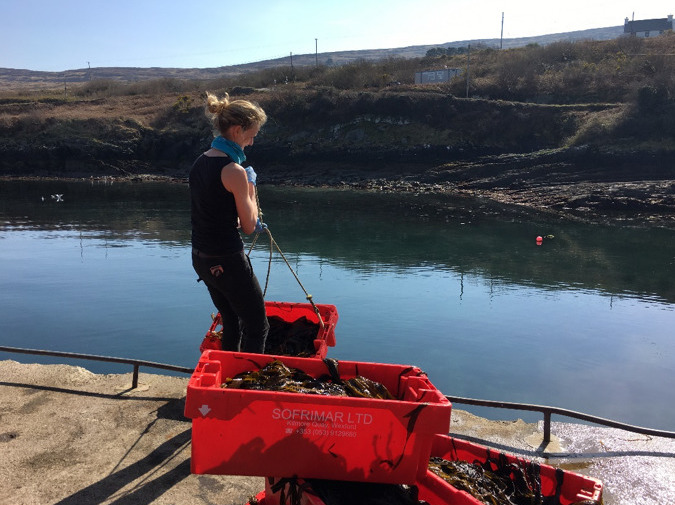 Seaweed being lifted from the boat
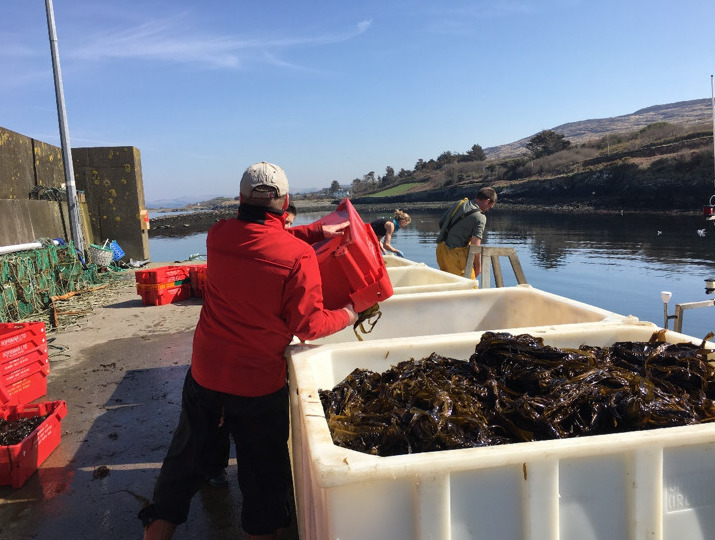 Researchers filling the bins with seaweed from the seaweed farm
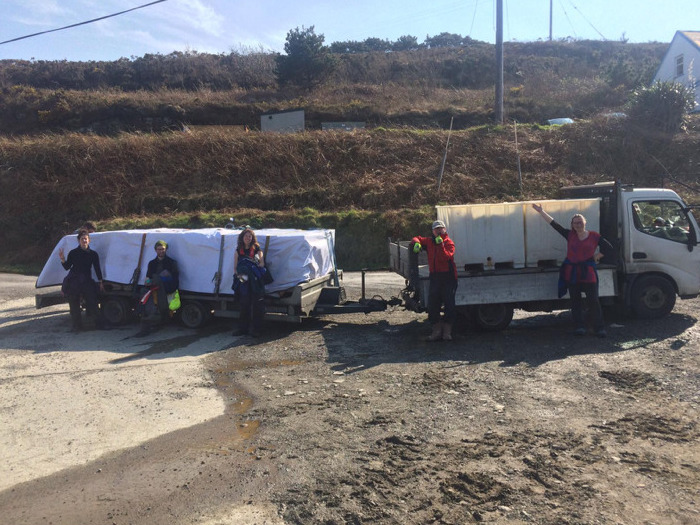 Researchers from BMRS after the first seaweed harvesting on March 26
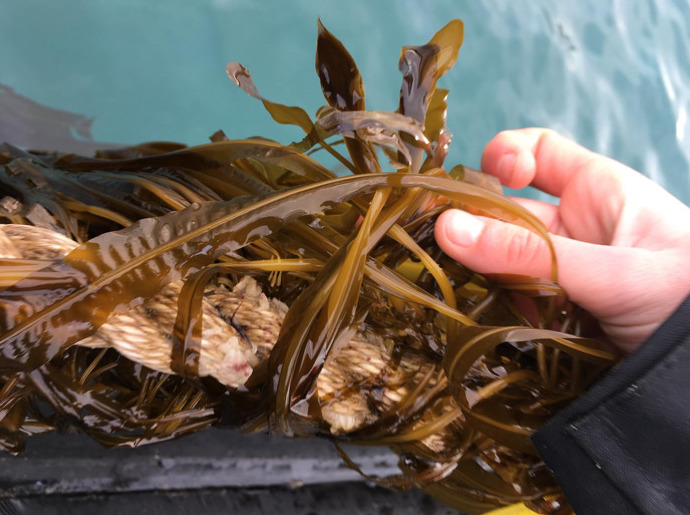 Alaria esculenta’s sporophylls observed on the seaweed farm
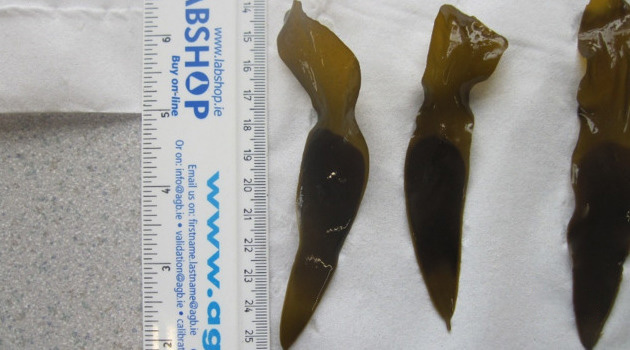 Mature sporophylls taken from the seaweed farm
High-value bio-active compounds
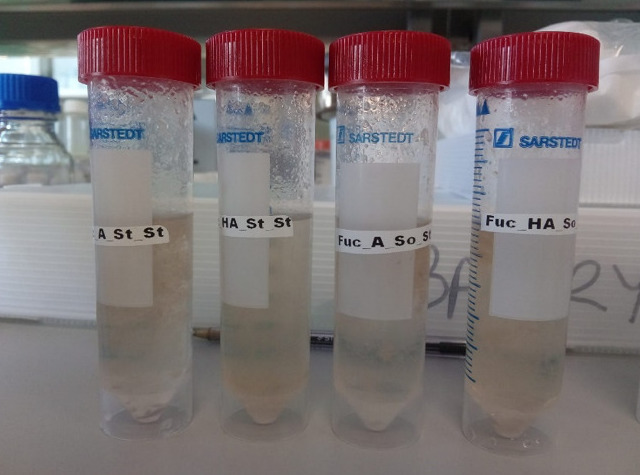 Precipitation of polysaccharides from Alaria esculenta’s samplesBantry Marine Research Station has developed a new protocol to extract polysaccharides from Alaria esculenta. The findings will provide more insight into the seasonal variability of a sulphated polysaccharide, fucans, and its ability to improve nutrition for both humans and animals.
Update February 2020
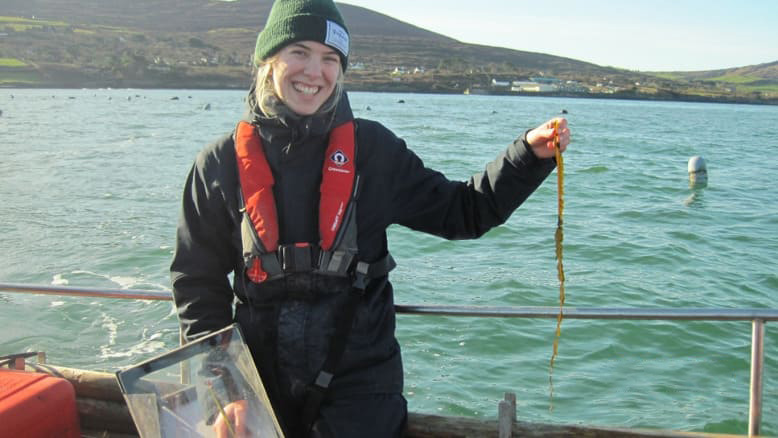 The intern Kora Uellendahl holding a small individual of Alaria esculenta in Bantry Marine Research Station seaweed farm.
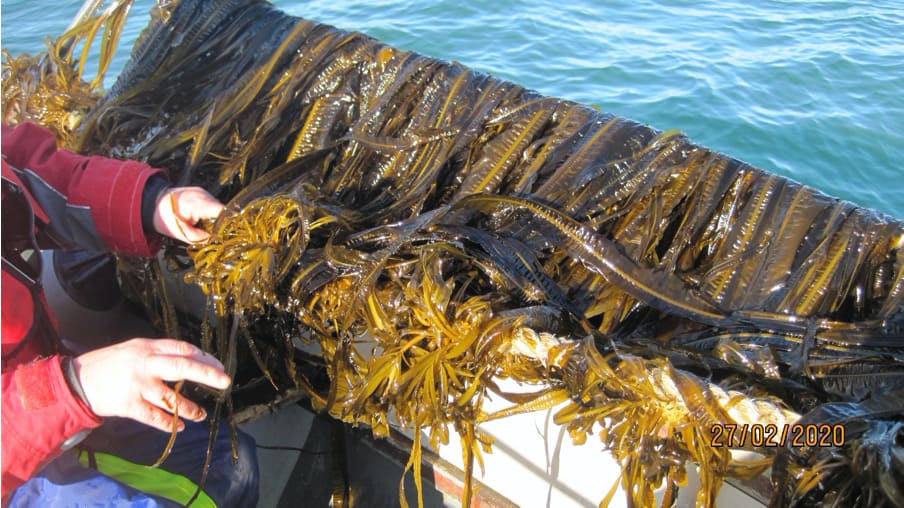 Alaria esculenta sporophylls
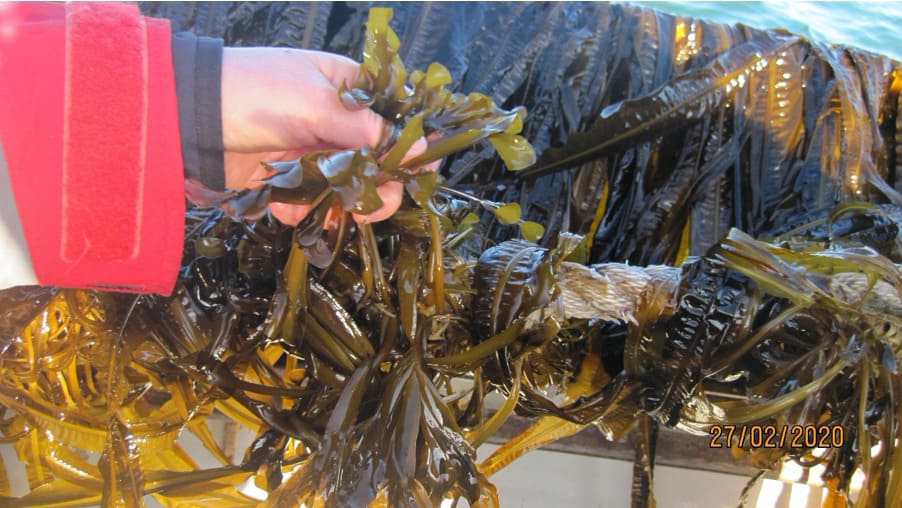 Alaria esculenta sporophylls
Update January 2020
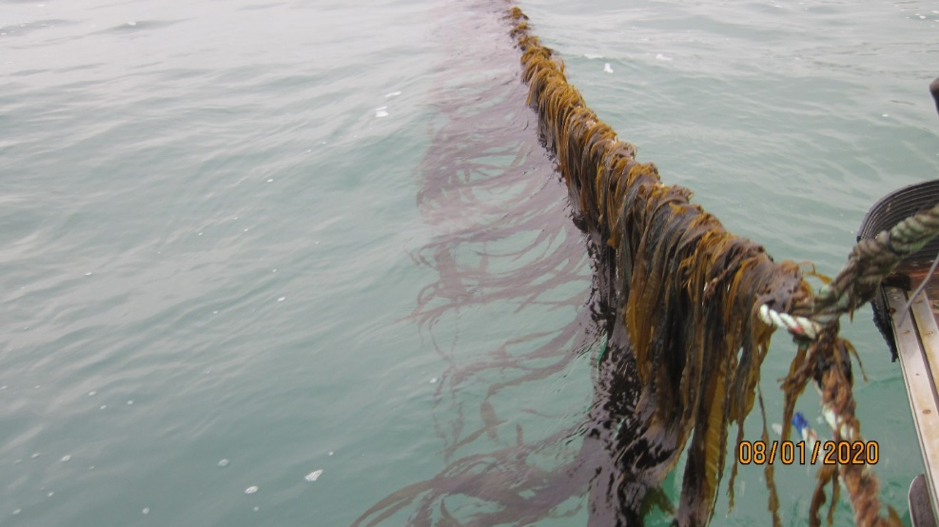
We have deployed long-lines of Alaria esculenta last October and November. Since then, they have experienced a spectacular development, with individuals between 1.5 and 2 m in length.
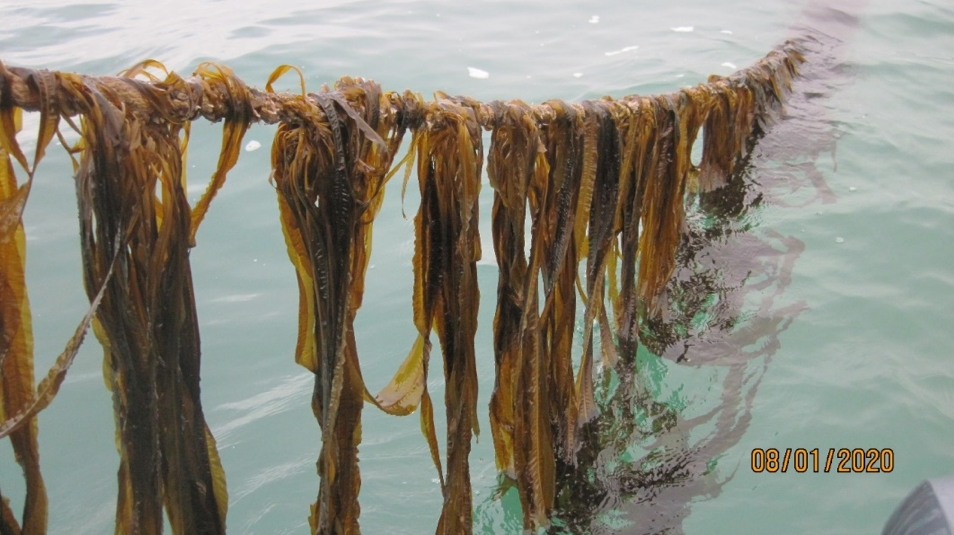
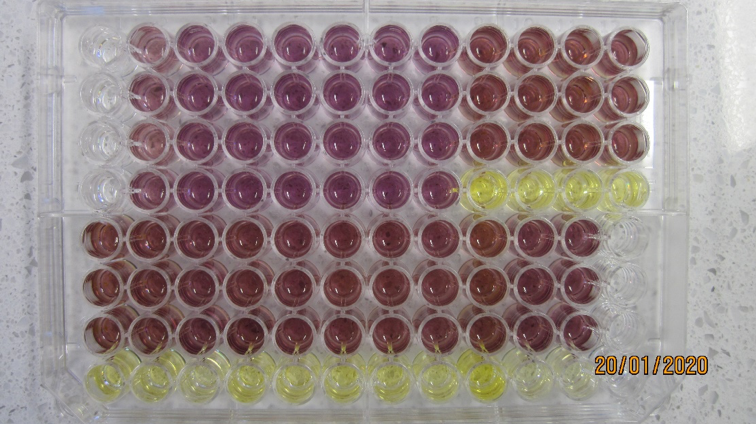
At the same time, we are testing the antioxidant activity of the seaweed extracts at Bantry Marine Research Station facilities
Organelle genomes of the golden tide-forming alga Sargassum confusum (Fucales, Phaeophyceae): mtDNA vs cpDNA
Liu, F., Pan, J., Zhang, Z.,Moejes, F.W. 2018. Organelle genomes of the golden tide-forming alga Sargassum confusum (Fucales, Phaeophyceae): mtDNA vs cpDNA. Journal of Applied Phycology, 1-8
Read the article.
Primrose – Predicting risk and impact of harmful algal bloom events that cause impact to the shellfish aquaculture sector
During the next three years the PRIMROSE project, will form a network of scientists and industry members to produce an inter-regional toxin and microbiological advisory and forecasting capability to the European aquaculture industry. "The project will produce applications based on reusing existing monitoring data, modelled coastal hydrodynamics, satellite and other novel aerial observations, meteorological, historical and recent trend data to predict and give early warning of toxic blooms and elevated microbiological events. This will allow fish and shellfish farmers to adapt their culture and harvesting practices in time, in order to reduce potential losses," explained project coordinator Joe Silke, from the Marine Institute.
The Marine Institute will implement the lead role of coordinating the project and ensure that all the work packages, actions, deliverables and results are achieved. Already, a strong partnership approach has been established during the project preparation. By consolidating and further developing the regional knowledge capital that exists, the consortium is confident of a successful outcome. Partners will participate in a suite of six work packages and will develop a sustainable product that will be largely automated to predict and produce regular published reports for the long term once the project is finished.
In recent years there has been much discussion of satellites being able to track surface algal blooms. Understanding biological phenomena in the ocean requires a complex approach, though there is some merit in using satellite derived chlorophyll images to delineate high biomass near surface algal blooms. Much cutting edge harmful algal bloom research work has focused on subsurface profiles, where certain species are present in thin layers of limited geographical extent often associated with strong density interfaces. Phytoplankton blooms, micro-algal blooms, toxic algae, red tides, or harmful algae, are all terms for naturally occurring phenomena. Clearly, in order for a toxic, harmful algal bloom, or a microbiological forecast to be realistic, physical factors including changes in water column structure and transport pathways are necessary.
"PRIMROSE is the next step towards providing an operational advisory service by integrating physical oceanographic drivers with a variety of biotoxin, phytoplankton count and microbiological data. A distributed advisory service and a network of thematic experts distributed across the participating countries will then network to provide regular advisory products and forecasts of impending toxic and harmful algal events" Joe Silke further said.
PRIMROSE brings together experts in the areas of Modelling, Earth Observation, Harmful Algal Bloom and Microbiological monitoring programmes and end users to assemble a number of key data sets and build upon and explore new forecasting options. The consortium includes three UK partners (Seafood Shetland, Scottish Association for Marine Science and Plymouth Marine Lab) two Irish partners (Marine Institute and Bantry Marine Research Station), one partner in France (IFREMER), three in Spain (AZTI, Instituto Oceanographico Espanol and AGAPA) and one in Portugal (Institute Technico Superior/University of Lisboa).
Luke Wilson
Role: Fish Hatchery Manager
Luke Wilson has a degree in Marine Science from NUI Galway and an MSc in Biodiversity and Conservation from Trinity College Dublin. He has a number of years’ experience in commercial aquaculture, having worked in barramundi farming in Western Australia and salmon farming in Ireland. He has extensive experience in fish health and the practical applications of cleanerfish, namely wrasse and lumpfish.
Tabbed Content
Latest News


Farmed Salmon and Farmed Rainbow Trout - Excellent Sources of Vitamin D?
Jakobsen, J. & Smith, C., 2017. Farmed Salmon and Farmed Rainbow Trout - Excellent Sources of Vitamin D? Fisheries and Aquaculture Journal doi: 10.4172/2150-3508.1000204.
Read the article.
A diverse community to study communities: the perks of multidisciplinary approaches to investigate microbial consortia
Succurro, A., Moejes, F.W., and Ebenhöh, O., 2017. A diverse community to study communities: the perks of multidisciplinary approaches to investigate microbial consortia. Journal of Bacteriology 199:e00865-16
Read the article.
A systems-wide understanding of the photosynthetic acclimation in algae and higher plants - retrospection and perspectives
Moejes, F.W., Matuszynska, A.B., Adhikari, K., et al., 2017. A systems-wide understanding of the photosynthetic acclimation in algae and higher plants - retrospection and perspectives. Journal of Experimental Botany. doi: 10.1093/jxb/erx137
Read the article.
Dynamics of the bacterial community associated with Phaeodactylum tricornutum cultures
Moejes, F.W., Popa, O., Succurro, A., Maguire, J., and Ebenhöh, O., 2016. Dynamics of the bacterial community associated with Phaeodactylum tricornutum cultures. doi: https://doi.org/10.1101/077768
Read the article